
touch light bathroom mirror
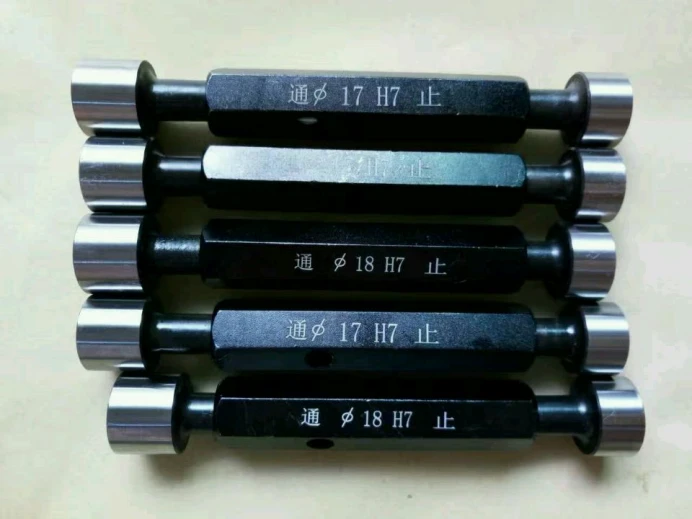
Understanding Machinist Gauge Pin Sets A Comprehensive Guide In the world of precision engineering, accuracy is paramount. One of the tools that play a critical role in achieving this precision is the machinist gauge pin set. These sets include a series of hardened steel pins, each with a specific diameter, which are used for measuring, setting, and checking the dimensions of various components. This article delves into the significance, usage, and benefits of machinist gauge pin sets in machining and manufacturing processes. What Are Gauge Pins? Gauge pins are cylindrical pins made from high-quality materials, typically steel, designed to provide accurate measurements. They can be non-tapered or tapered and are often categorized as go and no-go pins. The go pin is used to check whether a hole meets the minimum size requirement, while the no-go pin checks that the hole does not exceed maximum size specifications. This dual checking mechanism helps ensure that parts conform to strict tolerances, which is essential in applications that require high accuracy. Importance of Accuracy in Machining Machining processes, including turning, milling, and grinding, often require parts to fit together with tight tolerances. Even slight deviations can lead to malfunctions or failure of mechanical systems. Therefore, machinists must have reliable tools at their disposal to verify the dimensions of both the workpieces and the fixtures they are using. Gauge pin sets serve this purpose beautifully, offering reliable and reproducible measurements that enhance manufacturing efficiency and product quality. Features of Machinist Gauge Pin Sets Most machinist gauge pin sets come in either a standard metric or imperial measurement system. They typically include a range of sizes, allowing for versatility in applications . High-quality gauge pins are usually made from tool steel, ensuring that they are robust and wear-resistant. Additionally, they are ground to precise tolerances and often have a corrosion-resistant coating to enhance durability. machinist gauge pin set Gauge pins are also easier to use than many other measuring instruments. They can be simply inserted into holes or slots to test them, and their tactile feedback provides instantaneous verification of sizes. This simplifies the inspection process and helps to increase productivity on the shop floor. Applications of Gauge Pin Sets Machinist gauge pin sets are widely used in various industries, including automotive, aerospace, electronics, and medical device manufacturing. They are applicable in processes such as 1. Hole Inspection Verifying hole sizes in machined parts to ensure they fit assembly requirements. 2. Fit Testing Ensuring that components fit together as intended, especially in critical applications like engine assembly. 3. Quality Control Regular inspection of tools and fixtures to maintain system integrity and compliance with standards. Benefits of Using Gauge Pin Sets The use of machinist gauge pin sets offers several advantages. Firstly, they facilitate rapid inspection, reducing downtime and extending productivity. Secondly, they contribute to quality assurance, ensuring that parts meet the required specifications before they reach the customer. Lastly, the consistent use of gauge pins fosters a culture of precision in manufacturing settings, helping teams adhere to best practices. Conclusion In conclusion, machinist gauge pin sets are indispensable tools in modern manufacturing and machining processes. Their ability to provide accurate measurements and facilitate quality control makes them essential for achieving high standards in production. As industries continue to evolve, the reliance on precision measurement tools like gauge pin sets will only grow, ensuring safety, efficiency, and functionality in the components we use daily. Investing in a high-quality machinist gauge pin set is a step towards upholding engineering excellence and achieving superior results in any machining endeavor.
about
touch light bathroom mirror
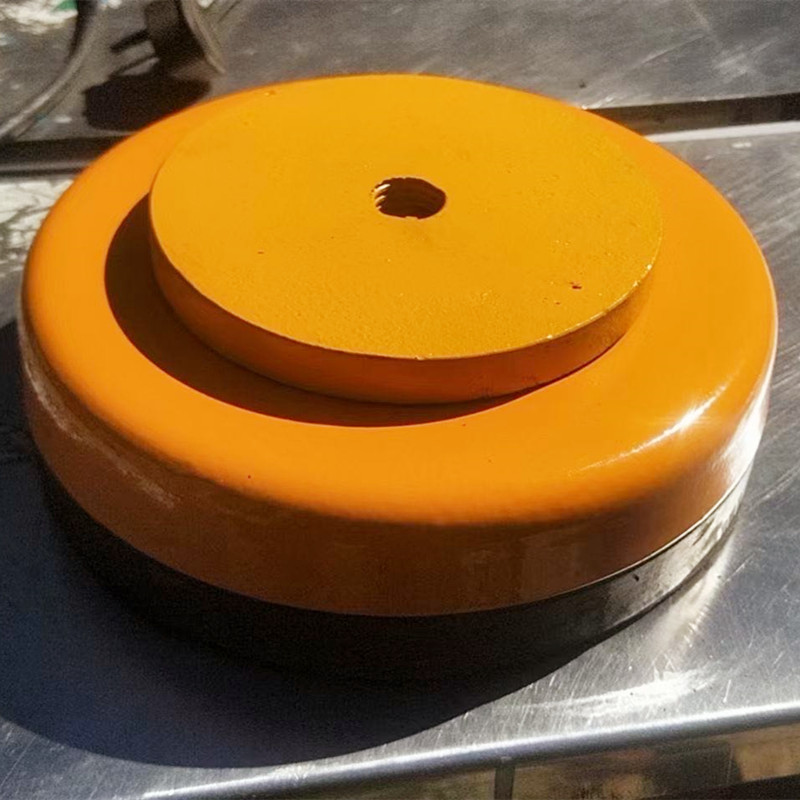
The Revolution in Construction Embracing Plastic Rebar Supports In the ever-evolving world of construction, innovative materials and techniques are constantly reshaping the industry. One such game-changer is the introduction of plastic rebar supports, an eco-friendly and cost-effective alternative to traditional steel rebars. This technological advancement not only offers improved durability but also paves the way for sustainable building practices. Plastic rebar, also known as polymer reinforced concrete (PRC), is a cutting-edge material that has been gaining traction due to its numerous benefits. Made primarily from high-density polyethylene (HDPE) or recycled plastic, it is designed to mimic the shape and function of conventional steel rebars. However, unlike steel, plastic rebar does not corrode, making it particularly suitable for marine or corrosive environments where rust can compromise the integrity of structures over time. The resistance to corrosion is just one of the many advantages of plastic rebar. It is also lighter in weight, reducing handling and transportation costs, and easing the installation process. This can lead to significant time savings on construction sites, thereby boosting productivity. Moreover, its non-conductive nature enhances safety, as it eliminates the risk of electrical accidents that can occur with metal rebars. Furthermore, plastic rebar supports have excellent thermal stability, which can help mitigate temperature-induced stress on structures. They also exhibit superior impact resistance and flexibility, allowing them to withstand earthquakes and other natural disasters better than their steel counterparts They also exhibit superior impact resistance and flexibility, allowing them to withstand earthquakes and other natural disasters better than their steel counterparts They also exhibit superior impact resistance and flexibility, allowing them to withstand earthquakes and other natural disasters better than their steel counterparts They also exhibit superior impact resistance and flexibility, allowing them to withstand earthquakes and other natural disasters better than their steel counterparts plastic rebar supports . In addition, the use of recycled plastics in their manufacture contributes to waste reduction and environmental sustainability. However, the adoption of plastic rebar is not without challenges. While it has shown comparable strength to steel in some tests, more extensive research is needed to fully understand its long-term performance under various load conditions. Additionally, the initial cost of plastic rebar is often higher than steel, although the reduced maintenance and longevity can offset this in the long run. Despite these hurdles, the potential of plastic rebar in revolutionizing construction is undeniable. As the industry continues to prioritize green solutions and sustainable practices, plastic rebar supports are likely to play a pivotal role. With ongoing advancements in material science, we can expect further improvements in the properties and applications of this innovative material, ultimately leading to more durable, efficient, and environmentally responsible construction projects. In conclusion, plastic rebar supports represent a promising shift towards a more sustainable future in construction. As we strive for a balance between progress and environmental preservation, embracing such alternatives becomes essential. The journey may be challenging, but the rewards – in terms of enhanced structural integrity, reduced carbon footprint, and increased efficiency – are well worth the effort.
-

High quality industrial productsagement

High quality industrial products
View Details -

Meet the diverse needs of customers

Meet the diverse needs of customers
View Details -

Strict quality control

Strict quality control
View Details -

Top raw materials

Top raw materials
View Details -

Trusted supplier

Trusted supplier
View Details
Our application


news and information
What Is the Difference Between a Silent Check Valve and a Regular Check Valve_
In the realm of fluid dynamics, valves play a crucial role in controlling the flow of liquids and ga

Vanne de contrôle à boule de 4 pouces
La vanne à clapet de 4 pouces un élément essentiel pour la régulation des fluides La vanne à clapet
water pressure reduction valve
The world of plumbing often seems straightforward until issues like high water pressure disrupt your
 English